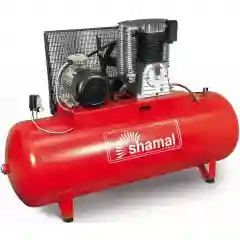
Questions about building of pneumatic systems of the enterprise
A business's pneumatic system is a set of equipment designed for producing, preparing, transporting, and distributing compressed air. Currently, a huge number of different enterprises use pneumatic systems in their work. The quality of products, the service life of equipment, and the profitability of an enterprise directly depend on the quality and reliability of the pneumatic system. In this regard, the design and installation of pneumatic systems are of particular importance.
Neglecting factors such as:
- Careful selection of the compressor type and determination of its location;
- It is necessary to calculate the size and number of compressor receivers, as well as to select their location. Coordination of various issues with the relevant authorities;
- It is necessary to determine the degree of compressed air purification from foreign particles – oil, moisture, etc. From a technical point of view, the location of filters, dryers, and condensate traps must be chosen wisely.
- The type of utilization of heat generated during compressor operation;
- selection of materials and calculation of pipe diameters, determination of their location, control of compliance with the relevant deviations, and control of the correctness of equipment connections;
- The choice of condensation water utilization often leads to production losses. Such losses can manifest themselves as damage to compressor equipment, damage to pneumatic equipment, and stoppages in automatic lines. In some cases, the losses can be very significant and substantial. In addition, designing pneumatic systems with all of the above factors in mind can save up to 50% in electricity compared to ill-considered or outdated designs.
The design process for pneumatic systems requires a great deal of attention and care, because purchasing and installing cheap, low-quality equipment can often lead to accidents in the workplace. However, purchasing overly powerful and expensive equipment increases procurement costs, as well as future electricity and operating costs.
Let's look at some typical mistakes that can be made when designing a pneumatic system:
Installation of an air-cooled compressor in a room
, where cooled air discharge is difficult or impossible.
Failure to take this fact into account during design can lead to frequent compressor overheating and damage.
Choosing a high-quality dryer
or incorrect installation location for condensate drainage.
Nowadays, some manufacturers offer "dryers" that function as condensate traps. They separate and expel moisture droplets, leaving water vapor in the compressed air. It only makes sense to expel condensate where it is formed. In fact, condensate is formed where hot compressed heated air cools down during compression. Now let's imagine an outdated compressor model that does not have equipment for cooling compressed air. Hot compressed air is produced by such a compressor, where the air is cooled in pipes on its way to the consumer. As a result, condensate falls out along the entire length of the pipeline. If a condensate trap or the aforementioned "dryer" is installed after such a compressor, the dehumidification process will not take place in the compressed air.
Incorrect pipe slopes
There are two possible consequences of such a mistake. In the best case scenario, the compressed air will gradually reach the consumers, but condensation will form. In the worst case scenario, the condensation will initially fill the entire pipe, and then all of the dirty condensation water will be discharged to the consumers at once. If the pipes are made of black metal, corrosion will begin to develop in them at the moment of condensate accumulation. The corrosion product will end up directly in the pneumatic automation device (regardless of the level of compressed air purification at the compressor outlet) and will lead to damage to the compressor.
- Jauns virzuļu kompresoru katalogs no Shamal 2023 gada.